

Growth, stability and resilience
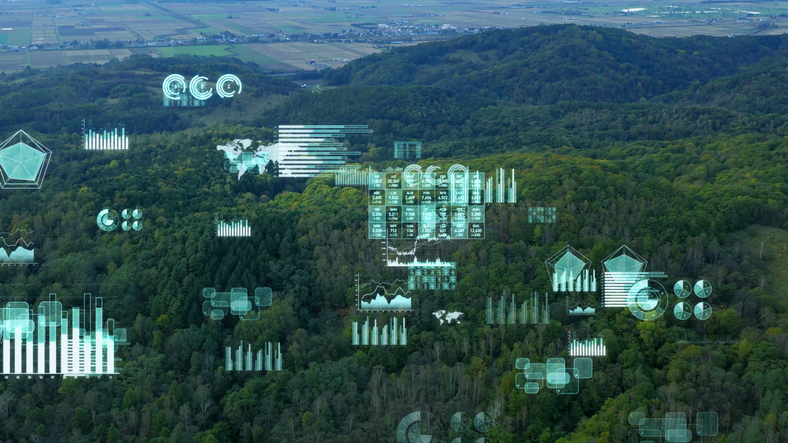
Earth Capital Nexus enhances existing tools and develops new methodologies to better capture systemic risks from climate change and nature degradation.

Context: why embed nature and resilience into macroeconomic and financial architecture?
Climate change and nature degradation generate cascading risks that propagate through sovereign balance sheets, financial institutions and global markets.
Critical ecosystems regulate climate, water systems and food production. Their collapse would trigger macroeconomic shocks comparable in scale to systemic financial crises. Yet current fiscal frameworks, debt sustainability assessments and supervisory regimes do not systematically account for these dependencies. This is a structural gap in the global financial architecture.
Our work on growth, stability and resilience
We collaborate with central banks, international financial institutions and governments to:
- Integrate nature into debt sustainability analysis and fiscal planning
- Mainstream climate- and nature-related financial risks within sovereign risk assessments and financial stress tests
- Design prudential regulatory approaches that reflect systemic nature-related risk
- Develop frameworks to align concessional finance and multilateral lending with global stability objectives.
Across our work we also advance the concept of Systemically Important Natural Systems (SINs). These are ecosystems where significant degradation would create macro-critical economic and financial instability.
Publications and commentaries